

From federal criminal prosecutions in Philadelphia to helping Pennsylvania families navigate the complexities of aging, Tammy Weber reflects on four decades in a profession that has changed dramatically, and the principles that haven't.
When Tammy Weber began practicing law in Philadelphia in 1986, women arrived at the office in tailored suits and blouses tied in bows at the neck. Legal secretaries took shorthand, attorneys dictated reports, and even routine revisions to documents could require painstaking work at an IBM Selectric typewriter.
The profession looked considerably different than it does today, but the expectations were already demanding.
Tammy remembers a warning she received at the beginning of law school: Earning a law degree didn't mean she knew how to practice law. Becoming truly proficient could take at least a decade.
Forty years later, she hasn't forgotten the lesson.
“If you're not still learning, you're not, in my view, being a good attorney.”
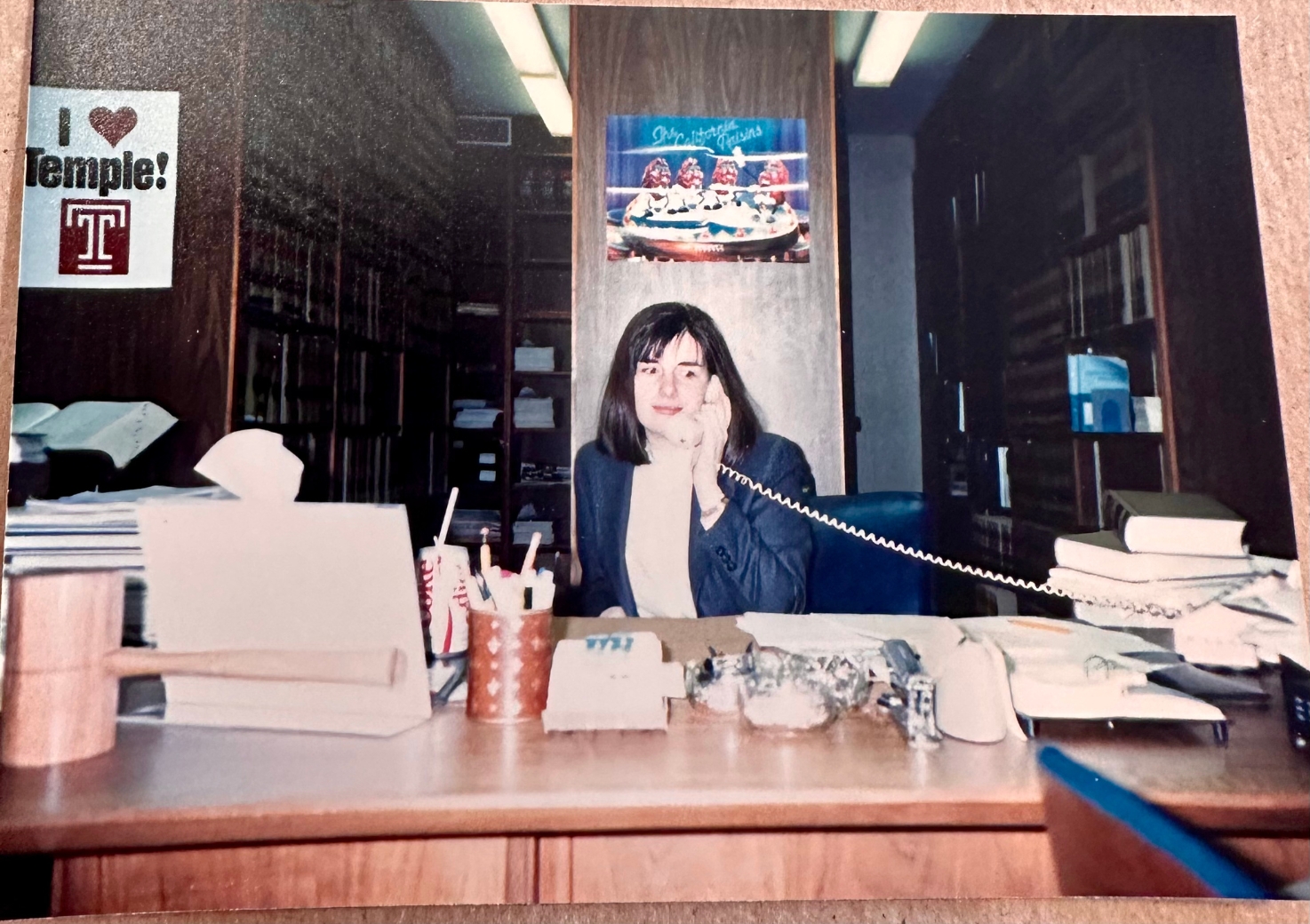
It's a philosophy that has followed her through an unusually varied career, from private practice to the federal judiciary, through the U.S. Attorney's Office and eventually into elder law.
Today, Tammy is a managing partner here at Marshall, Parker & Weber, where she helps Pennsylvania families navigate estate planning, long-term care and some of life's most consequential decisions.
But to understand the attorney she is today, it helps to understand the work that came before.
From Law Clerk to Federal Prosecutor
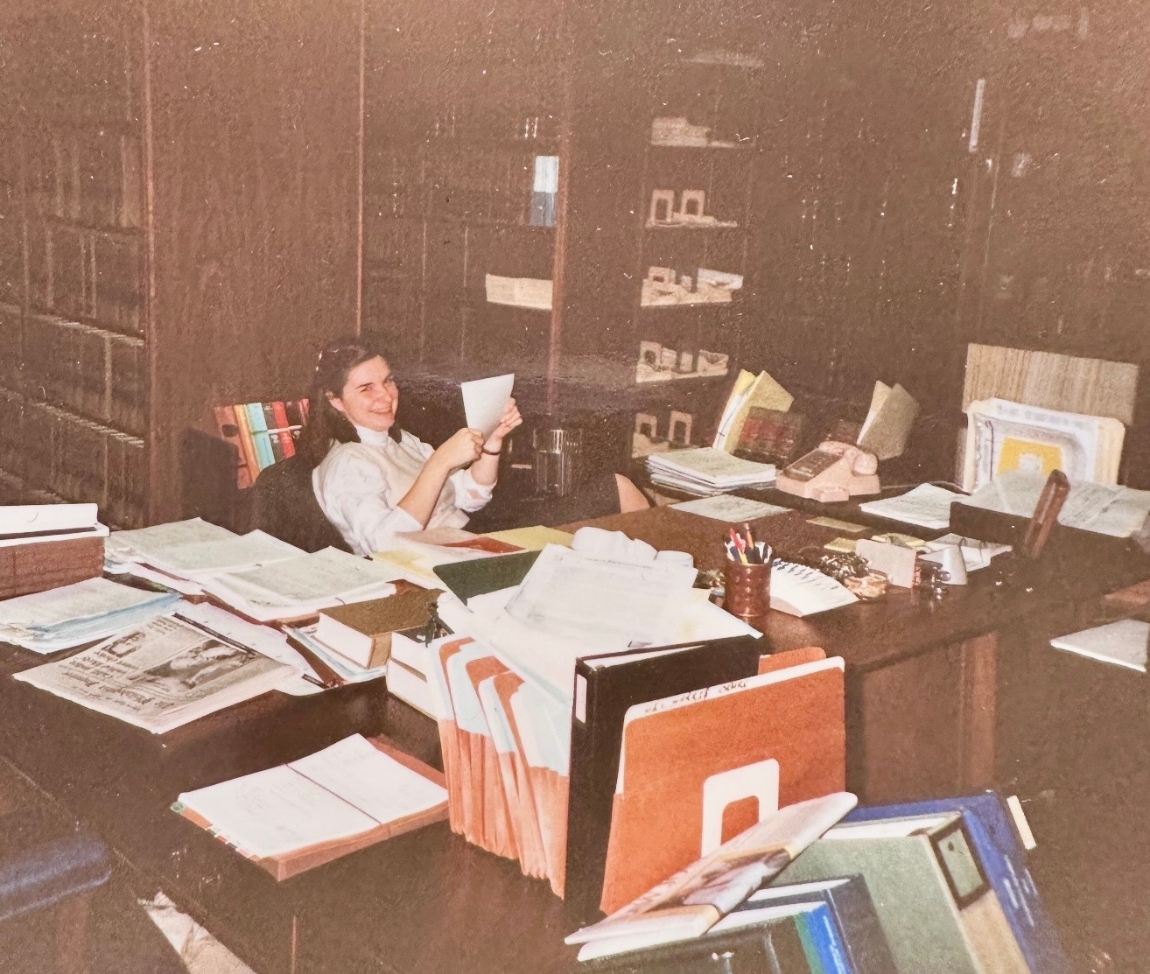
Tammy began her career at a mid-sized Philadelphia law firm, working on insurance defense matters, including asbestos litigation. In 1987, she began a federal judicial clerkship with Judge Louis C. Bechtle, an experience she still considers one of the most formative of her career.
The position exposed her to complex civil disputes, major criminal cases and the process of evaluating legal arguments from the judge's perspective.
It also introduced her to a leadership philosophy that would stay with her: The best bosses are those who trust people enough to give them meaningful responsibility while continuing to challenge them to improve.
In August 1989, Tammy joined the U.S. Attorney's Office in Philadelphia as an Assistant U.S. Attorney in its Criminal Division.
Over the next seven and a half years, she investigated and prosecuted cases ranging from federal firearms offenses to complex white-collar crimes. She worked with investigative agencies, presented evidence to grand juries, tried cases in federal court and argued approximately seven cases before the U.S. Court of Appeals for the Third Circuit.
She recalls winning every one of those appellate arguments.
She also remembers losing her first jury trial. The loss was deflating, but it reinforced an important distinction: A prosecutor's responsibility isn't simply to win, it's to pursue justice.
Among her proudest accomplishments is a Medicare fraud-related money-laundering seizure case from the early 1990s. Tammy recalls pursuing a largely untested application of the law with the support of supervisors who trusted her judgment. The case resulted in a guilty plea, and the government later prevailed on appeal.
Decades later, she still counts the experience among the achievements that matter most to her.
An Unexpected Second Act
After leaving the U.S. Attorney's Office Tammy taught a graduate-level law and social policy course before returning to Central Pennsylvania and private practice.
There, she met attorney Jeff Marshall, a prominent figure in the development of elder law in Pennsylvania who became another influential mentor.
Like Judge Bechtle, Marshall trusted her abilities, encouraged independent thinking and challenged her to grow.
In 2004, Tammy entered the practice that has since defined the last two decades of her career.
The transition from federal criminal law to elder law might appear dramatic. The legal questions were different, as were the clients and the circumstances bringing them through the door. But the underlying responsibility remained familiar: Understand the problem, exercise good judgment and help someone who needs an advocate.
Forty Years Later: Five Questions for Tammy
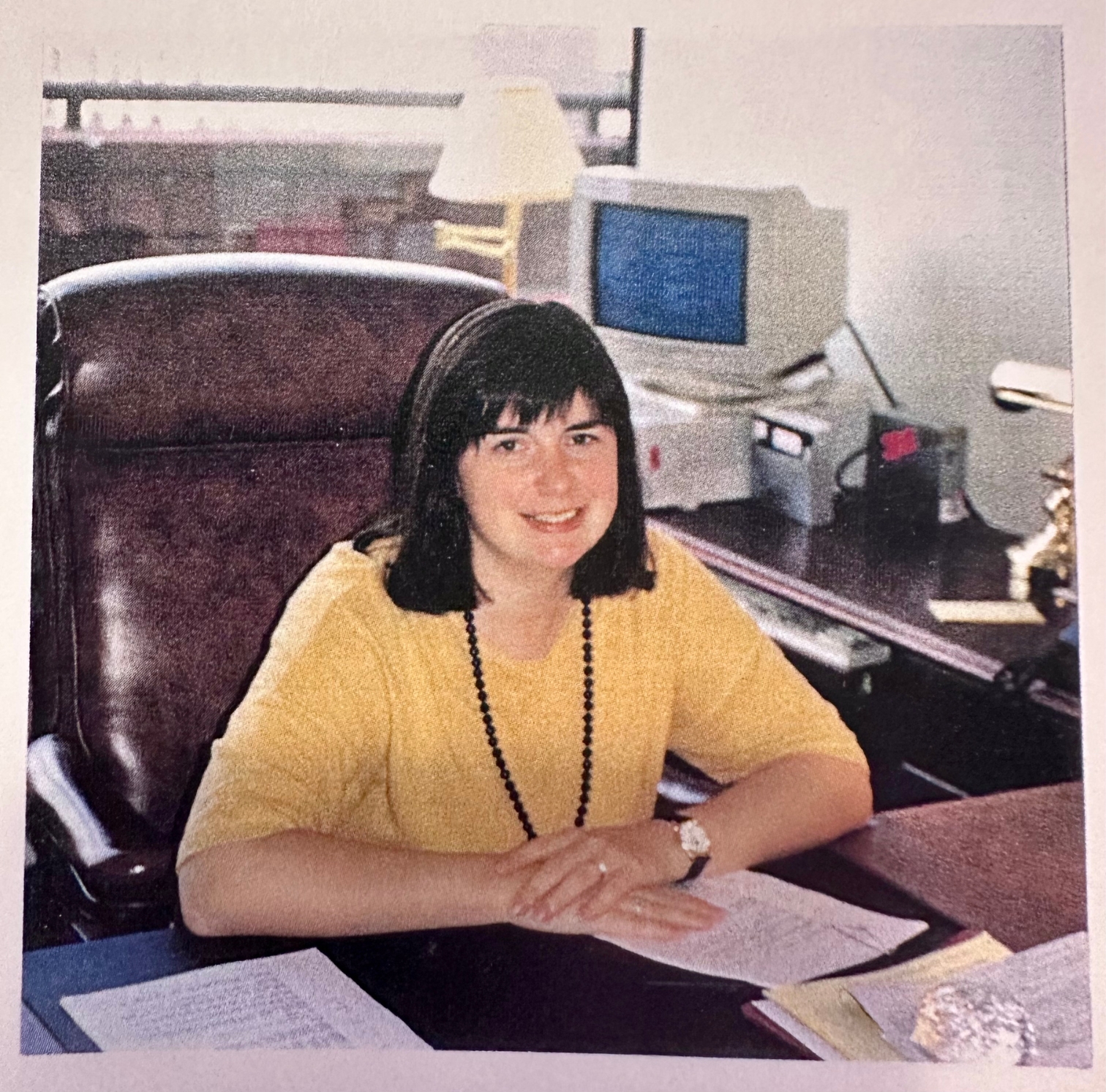
After four decades of practicing law, we asked her to reflect on what has changed, what she's learned and what continues to make the work meaningful.
1. What's changed most about practicing law since 1986?
Technology has transformed nearly every aspect of the profession. I remember when federal court offices were still introducing computers and legal secretaries took shorthand.
But I’m not convinced technology has made practicing law easier. Attorneys can accomplish significantly more in less time, yet workloads and expectations have continued to grow.
I’ve also noticed that younger attorneys are increasingly interested in practicing law without necessarily taking on the responsibilities of firm ownership.
If an attorney practicing today had to research using only physical books, navigating complex statutory codes with pocket parts that were frequently missing, they would quickly gain a profound appreciation for modern legal technology. Under those conditions, legal research required dedicated time management just to travel to and work within a local law library. Drafting a brief for the Third Circuit Court of Appeals brief meant meticulously manual labor; footnotes had to be formatted entirely by hand on a typewriter or early word processor, yet still satisfy the court’s strict layout and presentation standards. Experiencing that deliberate, analog workflow would undoubtedly highlight just how much time and effort today’s digital tools save.
2. What's something you experienced early in your career that would surprise a young attorney today?
Early in my career, a male supervisor declined to include me on professional travel because of concerns about how it would look and appearances. My male colleagues gained opportunities to observe proceedings and learn from the experience. It remains one of my greatest professional disappointments.
3. What's something you believed about being a good attorney at 25 that you no longer believe today?
At the start of my career, I placed enormous pressure on myself to have the right answer. Looking back, I recognize that I was often harder on myself than I needed to be.
Today, I believe a good attorney needs attention to detail, flexibility, composure and the humility to recognize what they don't know.
Learning doesn't stop once someone becomes experienced. In many ways, experience simply makes them more aware of how much there is left to learn.
4. Who deserves more credit for the attorney you've become?
I credit the mentors and supervisors who trusted my judgment and encouraged me to grow, including Judge Bechtle and Jeff Marshall.
But I equally recognize the colleagues who have worked alongside me throughout my career.
I dislike the term support staff and prefer the term team. To me, there are people who work with me, not for me. I’ve learned from experienced professionals at every level, many of whom generously shared their knowledge and helped me become better at my work.
5. After 40 years, what still makes you want to come to work?
For me, the answer is remarkably similar to what motivated me at the beginning of my career: The opportunity to use my knowledge and experience to do the right thing for people who need help.
The circumstances have changed over 40 years. So have the courtrooms, the clients and the legal questions. But the reason I practice law has remained the same.